
News
Federal Govt File Terrorism and Treason Charges Over Alleged Coup Plot
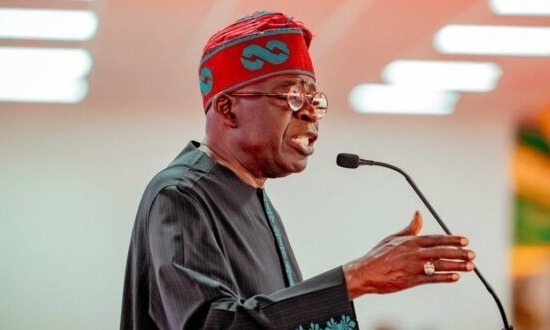
Legal proceedings have officially commenced in Abuja, where the Nigerian government has charged six individuals with treason and terrorism. According to documents filed at the Federal High Court, the group is accused of orchestrating a plot to forcibly remove President Bola Tinubu from power. Among those currently in custody are high-ranking figures, including a retired major-general and an active-duty police inspector. A seventh suspect, former Bayelsa State Governor Timipre Sylva, remains at large and faces accusations of assisting in the concealment of the conspiracy.
The filing of these formal charges marks a significant shift in the government’s narrative. While the administration initially dismissed rumors of a coup, officials confirmed in January that several military officers would face trial for attempting to subvert the government. This group was linked to a larger assembly of sixteen officers detained in 2025; at the time, their arrests were downplayed by military leadership as mere “acts of indiscipline” and regulatory violations. However, the subsequent reshuffling of top military brass by President Tinubu fueled public speculation that a more serious threat existed.
The 13-count indictment specifically alleges that the defendants conspired to wage war against the state. The suspects—identified as retired Major-General Mohammed Ibrahim Gana, retired Captain Erasmus Ochegobia Victor, Inspector Ahmed Ibrahim, Zekeri Umoru, Bukar Kashim Goni, and Abdulkadir Sani—are accused of providing indirect but intentional support to Colonel Mohammed Alhassan Ma’aji. Ma’aji has been identified in various reports as the primary architect of the failed takeover.
This legal battle unfolds against a backdrop of regional instability. While Nigeria has maintained a democratic system since 1999, it has a history of five military coups during the 20th century. The current allegations mirror a troubling trend across West and Central Africa, which has seen a resurgence of military interventions in countries like Benin and Guinea-Bissau. Analysts suggest these incidents are often driven by a volatile mix of electoral disputes, security failures, and widespread public dissatisfaction.
-

 Business3 months ago
Must-Know Fraud Prevention Tips for Moniepoint Customers
-

 Business3 months ago
Sowore Slams ₦341 MTN Compensation, Calls It “An Insult”
-
 News3 months ago
Kidnappers Kill Jigawa ADC Governorship Aspirant After Collecting ₦75 Million Ransom
-
 News7 months ago
Man Goes Viral After Receiving a ₦35k Toy Keke Napep Instead of a Real Tricycle Ordered
-
 News2 months ago
Bandits Demand ₦40 Million Levy From Kebbi Farmers
-
 News3 months ago
Today’s News: Top 10 Headlines from Nigerian Newspapers – May 3, 2026
-
News2 months ago
Oyo School Kidnappers Demand Terrorists Release, ₦1bn Ransom, Others
-
 News3 months ago
Murtala Mohammed Would Haven’t Been Killed the Way He Was Killed – Obasanjo